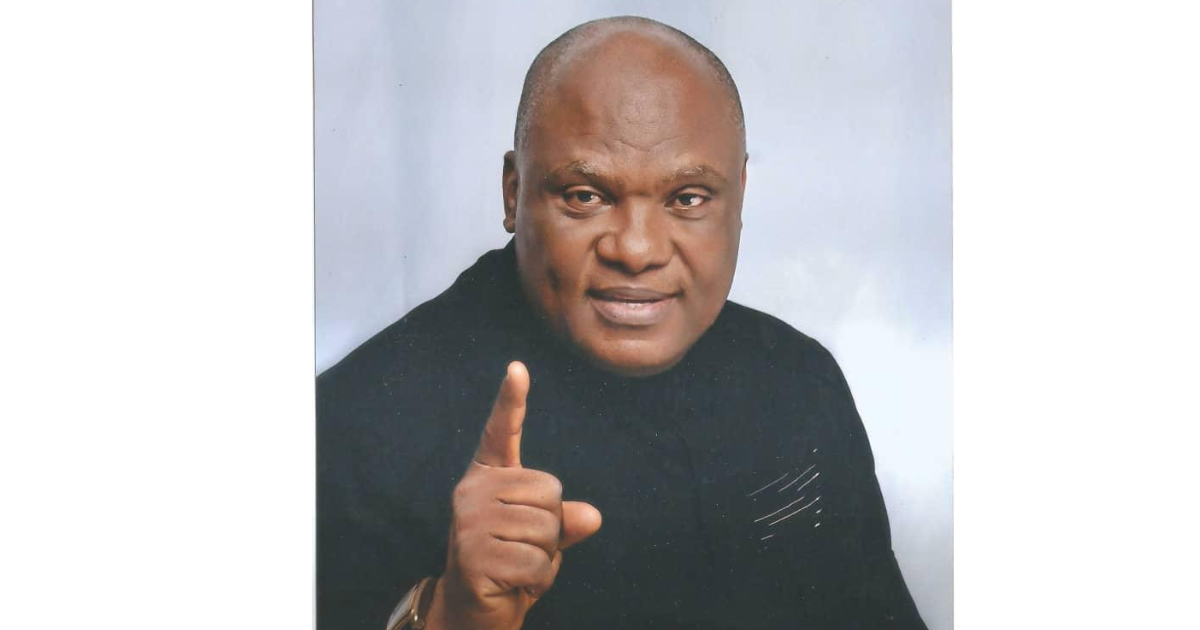
Honourable Ozodinobi George Ibezimako
About Hon. Ozodinobi George Ibezimako
George Ibezimako Ozodinobi, born 3 March 1957, represents the Njikoka/Dunukofia/Anaocha Federal Constituency of Anambra State in the House of Representatives. He entered the chamber with the 10th National Assembly in June 2023 on the platform of the Labour Party.
Before his election Ozodinobi worked in the public service; he was among the recipients of the Uwais Public Service Award announced in October 2012.
In June 2026 he was one of the Labour Party members who publicly disputed the endorsement of Ikenga Ugochinyere as Minority Leader of the House, arguing that the nomination had not followed the caucus process. As of August 2026 he remains the member for Njikoka/Dunukofia/Anaocha.
Frequently Asked Questions
Who represents Njikoka/Dunukofia/Anaocha federal constituency in the House of Representatives?
Honourable Ozodinobi George Ibezimako represents Njikoka/Dunukofia/Anaocha federal constituency in Nigeria's House of Representatives. Members of the House serve renewable four-year terms in the lower chamber of the National Assembly.
When was Ozodinobi George Ibezimako born?
Ozodinobi George Ibezimako was born on 3 March 1957, which makes he 69 years old.
What state does Hon. Ozodinobi George Ibezimako represent?
Hon. Ozodinobi George Ibezimako represents a federal constituency in Anambra State, part of Nigeria's South-East geopolitical zone. Anambra State has multiple federal constituencies, each electing one member to the House.
What does a member of the House of Representatives do?
Members of the House of Representatives make laws for the federation, originate appropriation and money bills, conduct oversight of federal ministries and agencies, and represent grassroots interests in the National Assembly. The House has 360 members, each elected from a federal constituency drawn by population.
Government of Anambra State
- Governor
- Charles Soludo
- House of Reps
- 10 members — listed on the Anambra State page