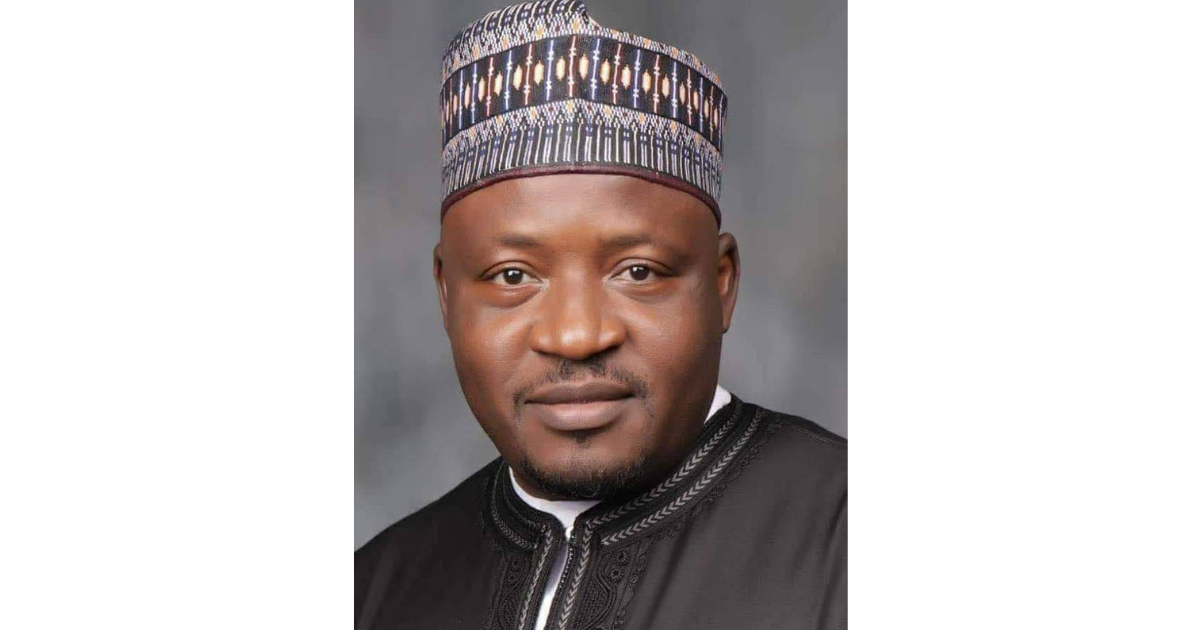
Senator Kawu Sumaila
About Senator Kawu Sumaila
Suleiman Abdurrahman Kawu Sumaila is the Senator for Kano South, Kano State, elected in the February 2023 general election and sworn in with the 10th National Assembly on 13 June 2023. He succeeded Kabiru Ibrahim Gaya in the district. In the 10th Senate he has chaired the Committee on Sports Development and the Committee on Petroleum Resources (Downstream).
Sumaila sat in the House of Representatives for three terms between 2003 and 2015, serving as Deputy Minority Leader of the 6th and 7th Houses from 2007 to 2015. He was afterwards Senior Special Assistant to President Muhammadu Buhari on National Assembly Matters from 2015 until January 2019. Outside politics he is a school proprietor and businessman.
As of August 2026 his first Senate term runs to 2027.
Frequently Asked Questions
Who is the senator for Kano South senatorial district?
Senator Kawu Sumaila represents the people of Kano South senatorial district in the 10th National Assembly. The senator serves a four-year term and is one of three senators from Kano State.
When was Kawu Sumaila born?
Kawu Sumaila was born on 3 March 1968, which makes he 58 years old.
What state does Senator Kawu Sumaila represent?
Senator Kawu Sumaila represents Kano State in the North-West geopolitical zone in the Nigerian Senate. Each state in Nigeria has three senators, one for each of its three senatorial districts.
What is Senator Kawu Sumaila's religion?
Senator Kawu Sumaila is a Muslim. Religious identity is not a legal qualification for senatorial office in Nigeria, but it is often reflected in constituency representation across the country's diverse zones.
What does a Nigerian senator do?
A senator is a member of the upper chamber of Nigeria's National Assembly. Senators make federal laws, approve presidential appointments, ratify international treaties, oversee the executive arm of government and advocate for the interests of their senatorial district. The Senate has 109 members in total.
Government of Kano State
- Governor
- Abba Kabir Yusuf
- Senators
- Barau JibrinRufai Sani Hanga
- House of Reps
- 24 members — listed on the Kano State page