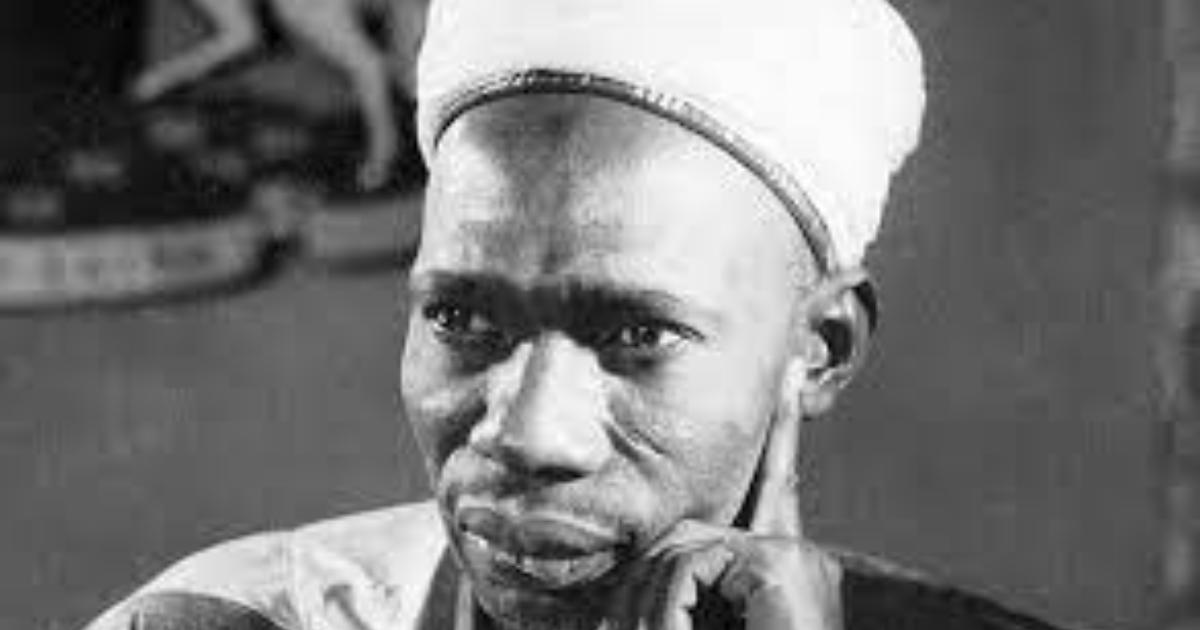
Sir Abubakar Tafawa Balewa
Prime Minister at the time of independence, under a parliamentary system.
About Nigeria's Heads of State
The President of the Federal Republic of Nigeria is both head of state and head of government, elected for a renewable four-year term. The President commands the armed forces, appoints ministers with Senate confirmation, signs bills into law and represents Nigeria in international affairs. Under the 1999 Constitution, executive power is vested in the President, exercised in accordance with the Constitution and laws made by the National Assembly.
Frequently Asked Questions
When did Sir Abubakar Tafawa Balewa serve as Head of State of Nigeria?
Sir Abubakar Tafawa Balewa served as Nigeria's head of government from October 1960 to January 1966.
When was Sir Abubakar Tafawa Balewa born?
Sir Abubakar Tafawa Balewa was born on 1 December 1912, which would make he about 113 years old today.
What state is Sir Abubakar Tafawa Balewa from?
Sir Abubakar Tafawa Balewa hails from Bauchi State in Nigeria's North-East geopolitical zone.
What religion did Sir Abubakar Tafawa Balewa practise?
Sir Abubakar Tafawa Balewa is widely identified as a Muslim. Religion has often factored into Nigeria's leadership representation, though it is not a constitutional requirement for office.
What does the President of Nigeria do?
The President of the Federal Republic of Nigeria is both head of state and head of government. The President commands the armed forces, appoints ministers with Senate confirmation, signs bills into law, sets national policy and represents Nigeria internationally. Under the 1999 Constitution, the President serves a renewable four-year term.
Other Nigerian Presidents & Heads of State
- Alhaji Shehu Shagari
- Alhaji Umaru Musa Yar’Adua
- Bola Ahmed Tinubu
- Chief Ernest Shonekan
- Chief Olusegun Obasanjo
- Dr. Goodluck Jonathan
- Dr. Nnamdi Azikiwe
- General Abdulsalami Abubakar
- General Ibrahim Babangida
- General Murtala Muhammed
- General Olusegun Obasanjo
- General Sani Abacha
- General Yakubu Gowon
- Major General Johnson Aguiyi-Ironsi
- Major General Muhammadu Buhari
- Muhammadu Buhari
Government of Bauchi State
- Governor
- Bala Mohammed
- House of Reps
- 12 members — listed on the Bauchi State page