Independence
Verified · updated November 12, 2026
Date: October 1, 1960
On October 1st, 1960, Nigeria gained independence from Britain under Prime Minister Tafawa Balewa. Queen Elizabeth II remained head of state, represented by the Governor-General; Nnamdi Azikiwe became Nigeria’s first President only when the country became a republic on 1 October 1963.
The ceremony was held at Race Course (now Tafawa Balewa Square) in Lagos, the capital at the time.
The key highlights of the Independence event include:
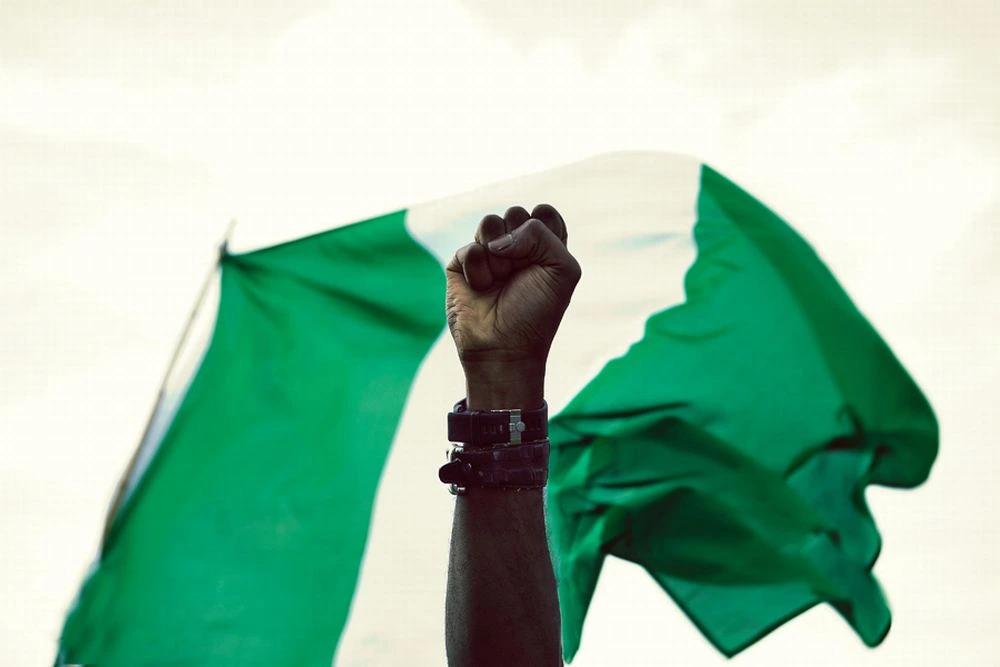
- The lowering of the British flag (the Union Jack) and the Nigerian Green-White-Green flag was hoisted, symbolizing the country’s sovereignty.
- Official Declaration of Independence: Sir Abubakar Tafawa Balewa, Nigeria’s first Prime Minister, gave a historic speech emphasizing unity, peace, and development for the newly independent nation.
- The event was attended by top British officials, including Princess Alexandra of Kent, who represented Queen Elizabeth II. Other international guests and Nigerian political leaders, such as Dr. Nnamdi Azikiwe (sworn in as Governor-General on 16 November 1960) and Sir Ahmadu Bello (Premier of Northern Region), were also present.
- The event featured military parades, cultural performances, and celebrations across the country.
- Nigeria became a constitutional monarchy with Queen Elizabeth II as head of state, represented by the Governor-General — Sir James Robertson until 16 November 1960, then Dr. Nnamdi Azikiwe. It wasn’t until October 1, 1963, that Nigeria became a republic, fully severing ties with the British monarchy.
The independence event was a turning point in Nigeria’s history, marking the beginning of self-governance and national development.