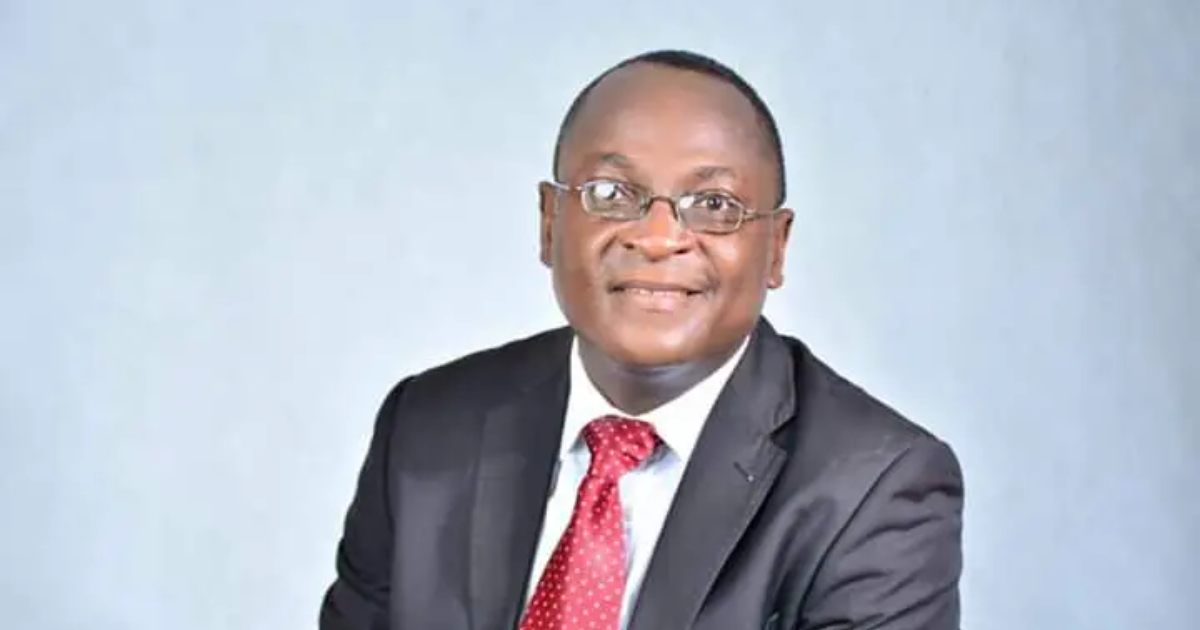
Honourable Francis Ejiroghene Waive
About Hon. Francis Ejiroghene Waive
Francis Ejiroghene Waive represents the Ughelli North/Ughelli South/Udu federal constituency of Delta State in Nigeria's House of Representatives on the platform of the All Progressives Congress. He first took the seat at the inauguration of the 9th Assembly on 11 June 2019 and was returned at the 2023 general election for the 10th Assembly.
Before entering elective politics, Waive worked in banking after national service and founded the Church of the Anointing in Warri in 1997, where he serves as senior pastor. In July 2026 the House passed his bill to establish a federal college of agriculture in Delta State, and in December 2025 he drew attention to declining voter registration figures in Delta Central.
Waive secured the APC ticket for the constituency in the party's May 2026 primary and, as of August 2026, remains the sitting member.
Frequently Asked Questions
Who represents Ughelli North/Ughelli South/Udu federal constituency in the House of Representatives?
Honourable Francis Ejiroghene Waive represents Ughelli North/Ughelli South/Udu federal constituency in Nigeria's House of Representatives. Members of the House serve renewable four-year terms in the lower chamber of the National Assembly.
When was Francis Ejiroghene Waive born?
Francis Ejiroghene Waive was born on 21 May 1966, which makes he 60 years old.
What state does Hon. Francis Ejiroghene Waive represent?
Hon. Francis Ejiroghene Waive represents a federal constituency in Delta State, part of Nigeria's South-South geopolitical zone. Delta State has multiple federal constituencies, each electing one member to the House.
What does a member of the House of Representatives do?
Members of the House of Representatives make laws for the federation, originate appropriation and money bills, conduct oversight of federal ministries and agencies, and represent grassroots interests in the National Assembly. The House has 360 members, each elected from a federal constituency drawn by population.
Government of Delta State
- Governor
- Sheriff Oborevwori
- House of Reps
- 9 members — listed on the Delta State page